
Talc
Talc / Talc / Talk / 탈크
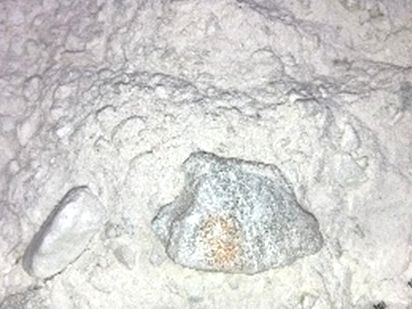
A material mainly consisting of hydrated magnesium silicate, naturally occurring as talc, with a platy particle morphology.
Applications include fillers for paper, plastics, and coatings, as well as electronic components, ceramics, cosmetics, pharmaceuticals, food additives, and agrochemicals.
Manufacturing process
※This process is just one example, and the manufacturing methods vary by company.
removal
grinding

If coarse particles are mixed in during grinding, they may adversely affect the downstream processes. Materials used for the parts that come into contact with the raw material during grinding are required to have high wear resistance.

The vertical roller mill "VX Mill" allows grinding and particle size adjustment, by the following characteristics.
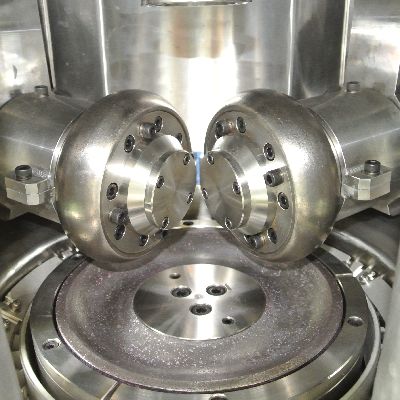
Roller pressure and table speed are adjustable to achieve the target particle size.
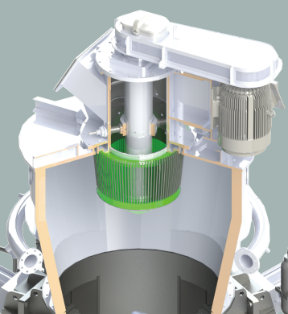
By adjusting the rotational speed of the classifier, the inclusion of coarse particles can be prevented.
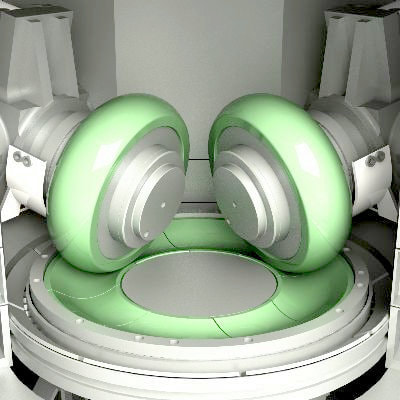
Wear-resistant cast iron is used for the material-contact parts. These components are also easy to replace.
grinding
If coarse particles are mixed in during grinding, they may adversely affect the downstream processes. Materials used for the parts that come into contact with the raw material during grinding are required to have high wear resistance.
The airflow-type grinding mill "Cross Jet Mill" enables fine grinding and particle size control, by the following mechanical characteristics.
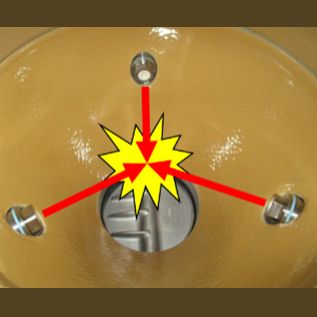
Grinding conditions can be adjusted by controlling the compressed gas pressure at the grinding nozzles.
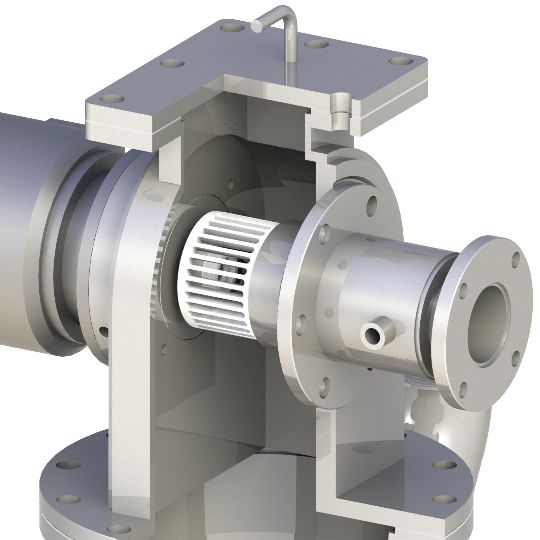
By adjusting the rotor speed of the classifier, the inclusion of coarse particles can be prevented.
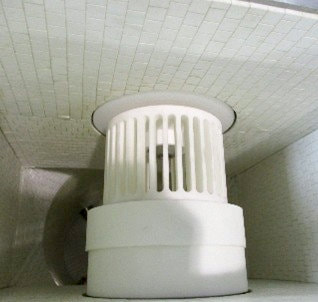
Ceramics are used for the classifier rotor, and it is easy to replace.
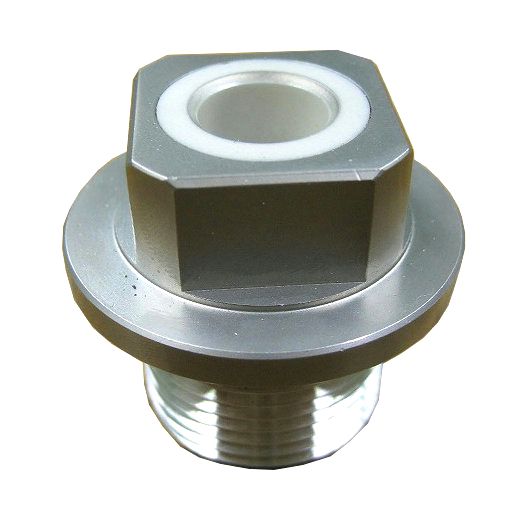
Ceramics are used at the openings of the grinding nozzles, and they are easy to replace.
Excessive generation of fine particles during handling can deteriorate the working environment. Low bulk density also reduces kneading efficiency with resins.
The mixing and compression granulating machine - "MRCP Roller Compactor" enables compaction and granulation, by the following mechanical characteristics.
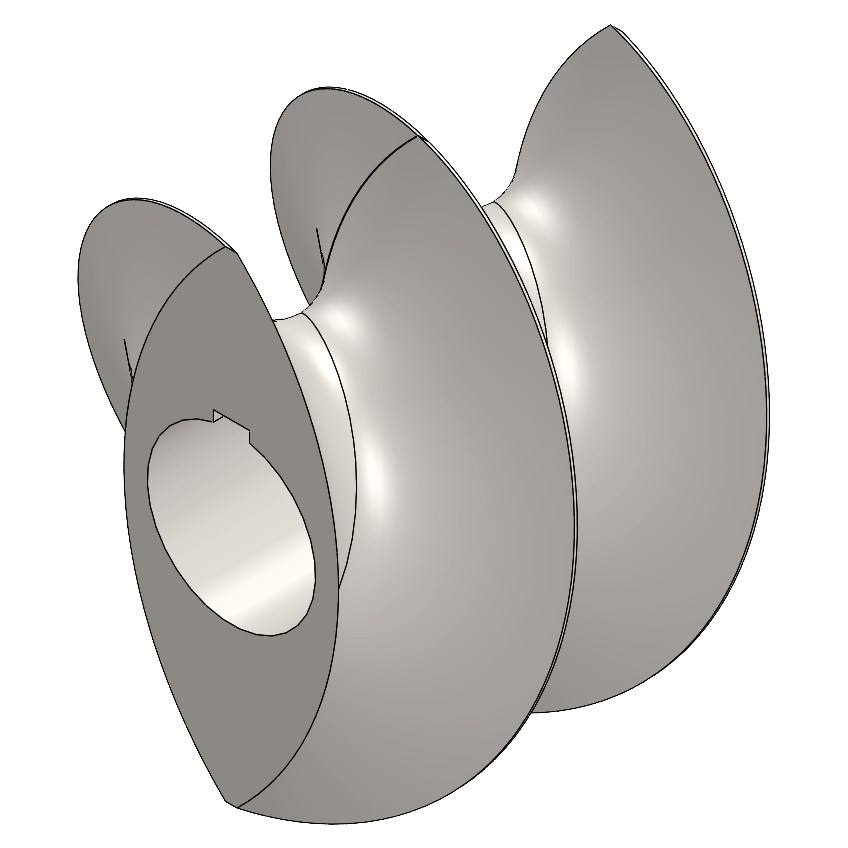
Raw materials are fed and pressed into the rollers by screws and paddles.
Discharged in sheet form through roller compression
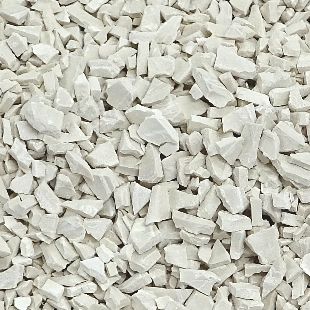
Crushed into granules by a coarse crusher, then classified and adjusted for particle size

Pretreatment before kneading improves dispersion and throughput.